NO Modern Politics, Sexuality or Religion at Fort Edwards
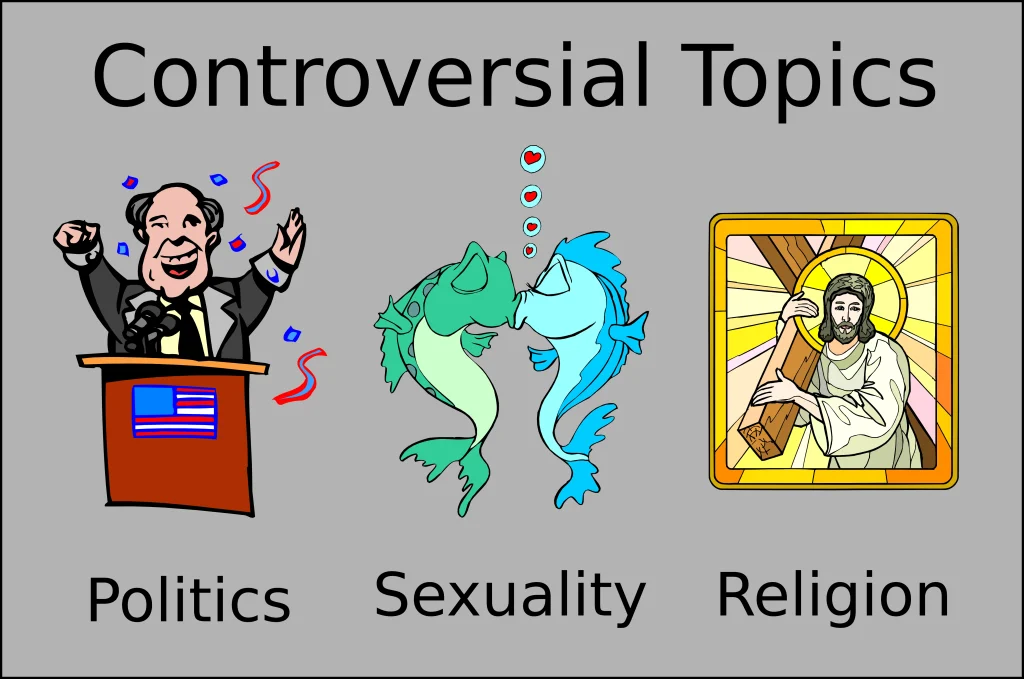
Modern politics, sexuality and religion are banned topics at all Mojave Ranger School events and operations. These 3 topics are the most divisive elements in American culture and represent the pre-war world that no longer exists in 2287. Politics, sexuality and religion are banned topics for 3 reasons,
- Social Instigators: these topics are consistently used by social instigators whose goal is to start fights and conflicts in every social group they infest.
- Banning these topics prevents social instigators from starting trouble during Mojave Ranger School events.
- Breaks the Immersion: Mojave Ranger School pays Milsim team members and staff to maintain the post-apocalyptic immersion. Politics, sexuality and religion breaks the immersion.
- Player Safety: Mojave Ranger School uses force on force training with airsoft guns that shoot 6mm plastic BB’s in an inherently unsafe training environment.
- This is not a safe space for disruptive social instigators and those whose goal is to start trouble among the populace.
 Not Discrimination
The training at Mojave Ranger School is free and equally available to all Mojave Residents regardless of political motivations, sexual preference or religious beliefs, but it’s an inherently unsafe environment for people who have to force those topics on everyone else.
Being a member of a political party, sexual fetishist or church congregation member does not convey the right to force your views onto other people, especially in an environment where those topics consistently create social problems that the majority of the group doesn’t want to deal with.
If you refuse to leave your political, religious or sexual baggage at home then you are not invited to play here.
 Disruptive Social Instigators
- Social Justice Advocates: Figures like Rosa Parks and Harvey Milk are celebrated as instigators who disrupted oppressive systems to secure civil rights.
-
 Creative & Innovative Instigators: Entrepreneurs and artists who use “calculated chaos” to solve real-world problems. This includes Steve Jobs in tech or Leanne Prain in community-engaged art.
 - Aggressive Instigators: Individuals who provoke others for the sake of conflict, such as trolls on social media, bullies who enable aggression, or those who incite violence during otherwise peaceful protests.
- High-Performing Instigators (HPIs): In professional or academic settings, these are individuals who are highly skilled in their tasks but whose uncivil behavior negatively impacts group morale.
- Challenging Authority: They frequently question existing rules and hierarchies.
- High Energy: In educational settings, “instigator” children are often smart and creative but frustrated by rigid systems.
- Strategic Agitation: They may use emotional disruption or intellectual provocations to force people to pay attention to a specific issue.
- At Work: Experts suggest avoiding the instigator when possible, remaining calm and positive, and involving management if the behavior persists.
- In Communication: One effective tactic is to simply withdraw, giving the provocateur no reason to continue their behavior.
- In Social Movements: Strategic nonviolence organizations often seek to identify and exclude instigators who might co-opt their message for violence.